Insights
Table Of Content
Introduction
What the Software Development Process Means
Why the Software Development Process Is Important
Key Stages of the Software Development Process
Common Software Development Models
How to Choose a Software Development Approach
Best Practices for a Smooth Development Process
Example: How a Real Project Follows the Process
Conclusion
Frequently Asked Questions
![Insight New Detail: Software Development Process: Steps, Models & Best Practices [2026] 0](/_next/image?url=https%3A%2F%2Fwww.s3corp.com.vn%2Fuploads%2F20240820%2Fs3corp-software-development-process-guide.jpg&w=3840&q=75)
Software Development Process: Steps, Models & Best Practices [2026]
The Software Development Process, also known as the Software Development Life Cycle (SDLC), is a structured method for developing software for systems or projects. Various methodologies, such as waterfall, spiral, and incremental development, accompany the procedure and determine when testing happens. Despite their variances, these approaches have mutual development processes. This article will provide an exhaustive guide, outlining phases and other essential insights to help you get a well-defined procedure for your project from conception to completion. Let our article be your guiding light on your software development trip.
25 Aug 2023
Introduction
Building software is not magic. It follows a clear path, much like constructing a house. You need blueprints before laying bricks. You inspect every room before handing over the keys. The software development process works the same way.
This process matters because it turns ideas into working products. Without structure, teams waste time, miss deadlines, and build features nobody needs. Companies that understand how software is developed make better decisions, save money, and launch products faster.
Understanding software development basics helps everyone involved. Business leaders know what to expect. Developers know what to build. Teams work together instead of guessing. This guide breaks down each stage, explains common approaches, and shows how real projects move from concept to launch.

What the Software Development Process Means
The software development process is the structured approach teams use to create applications, platforms, and digital tools. Think of it as a roadmap that guides a project from initial idea to finished product. This process includes planning what to build, designing how it should work, writing the actual code, testing everything thoroughly, and releasing it to users.
Companies use this process to avoid chaos. Without it, developers might build features that conflict with each other. Designers might create interfaces that programmers cannot implement. Business teams might expect results that technical teams never promised. The software development life cycle provides a common language and shared expectations for everyone involved.
This framework solves several critical problems. It prevents teams from starting work before understanding requirements. It catches errors early when fixes cost less. It ensures that what gets built actually matches what users need. Most importantly, it creates checkpoints where teams can adjust course before investing too much time or money in the wrong direction.
At S3Corp, we have seen projects succeed and fail based on whether teams followed a clear process. The difference shows up in every metric that matters: delivery time, budget adherence, product quality, and client satisfaction. Companies that treat software development as an organized process consistently outperform those that approach it casually.
Why the Software Development Process Is Important
Project clarity emerges when everyone understands the development workflow. Teams know what stage comes next. Stakeholders see progress in concrete terms. This clarity eliminates the confusion that often derails software projects.
Quality control becomes systematic rather than accidental. Each phase includes specific checkpoints where teams verify that work meets standards. Testing happens throughout development, not just at the end. The structured approach catches problems when they are easiest and cheapest to resolve.
Cost and time control improve dramatically with a defined process. Teams can estimate accurately because they understand what each stage requires. Project managers spot delays early and adjust resources accordingly. Every dollar and hour counts, especially for businesses operating on tight budgets.
Team coordination happens naturally when everyone follows the same framework. Developers know when designs will be ready. Testers know when code will arrive. Business analysts know when to gather feedback. This synchronization prevents the common scenario where one team waits idle while another scrambles to catch up. S3Corp has observed that coordinated teams complete projects 30 to 40 percent faster than disconnected ones.
The software development stages create accountability. Each phase has clear deliverables and responsible parties. When something goes wrong, teams can identify where the breakdown occurred and fix the underlying issue. This transparency builds trust between technical teams and business stakeholders, which matters as much as any technical achievement.
Key Stages of the Software Development Process
Planning
Planning sets the foundation for everything that follows. Teams define what the software should accomplish and why it matters. This stage answers fundamental questions: Who will use this product? What problems will it solve? What features must it include on day one? What can wait for later versions?
Gathering requirements involves talking to actual users, not just guessing what they need. Business analysts interview stakeholders, observe workflows, and document specific needs. They create requirement documents that describe features in detail. For example, instead of saying "the system should be fast," requirements might specify "the system should load user dashboards in under two seconds with 10,000 concurrent users."
Estimating scope and timeline requires honest assessment of resources. How many developers does the project need? How long will each major feature take? What dependencies exist between different parts of the system? Development planning at this stage includes risk assessment. Teams identify potential obstacles and create backup plans.
At S3Corp, we treat planning as the most important investment. Spending an extra week on planning often saves months during later stages. We have seen projects triple their original timelines because teams skipped thorough planning. The best plans remain flexible enough to adjust as new information emerges, but detailed enough to guide daily decisions.
Design
Design transforms abstract requirements into concrete plans. Architects decide how different components will fit together. They create system structure diagrams showing how databases, servers, and user interfaces will communicate. This architecture becomes the blueprint developers follow when writing code.
User interface designers prepare mockups showing exactly what users will see on each screen. They consider user experience principles: Can people find what they need quickly? Do actions flow logically from one step to the next? Does the design work on different devices and screen sizes? Software design and development succeed when designers think through these details before developers write a single line of code.
Technical designers prepare architecture and workflow documents. They specify which technologies to use and why. They plan how the system will scale as more users arrive. They design database schemas that store information efficiently. They identify security measures needed to protect sensitive data. These technical decisions affect the project for years, so teams take them seriously.
Good design documents serve multiple purposes. Developers use them as building instructions. Testers use them to create test cases. Future teams use them to understand why certain choices were made. This living documentation helps new team members contribute quickly instead of spending weeks understanding the codebase.
Implementation
Implementation is where code gets written and features come to life. Developers transform designs into working software. They write functions that process data, create interfaces that respond to user actions, and build systems that communicate across networks. This stage requires both technical skill and attention to detail.
Building features happens incrementally. Developers start with core functionality and add complexity gradually. They write modular code that other developers can understand and modify. They follow coding standards that keep the codebase consistent.
Integrating components means making different parts of the system work together smoothly. The user interface must connect to the backend logic. The backend must communicate with the database. Third-party services must integrate without breaking existing features. Integration challenges often surface during implementation, which is why continuous testing matters so much.
Version control systems track every change developers make. If new code breaks something, teams can roll back to the last working version. This safety net encourages developers to experiment and innovate without fear of destroying the project. Modern development tools make collaboration easier than ever, allowing distributed teams to work on the same codebase simultaneously.
Testing
Testing validates that software actually works as intended. Quality assurance teams methodically check every feature against the original requirements. They try normal use cases and edge cases. They attempt actions that users probably should not do but might try anyway. The testing phase in software development prevents embarrassing failures after launch.
Functional testing verifies that each feature performs its intended task. Does the login system accept valid credentials and reject invalid ones? Does the payment processor handle transactions correctly? Does the search function return relevant results? Testers create test cases covering every user action the system should support.
Performance testing checks whether the software remains responsive under realistic conditions. How many users can the system handle simultaneously? How quickly do pages load with large datasets? Does memory usage stay reasonable during extended operation? Performance problems that seem minor during light testing become critical issues with real user traffic.
Security testing identifies vulnerabilities before attackers do. Testers attempt SQL injection, cross-site scripting, and other common attacks. They verify that sensitive data gets encrypted. They check that authentication systems cannot be bypassed.
Teams fix issues as they discover them. Some bugs require simple corrections. Others reveal fundamental design problems that demand significant rework. Automated testing tools run thousands of checks in minutes, freeing human testers to focus on complex scenarios that machines cannot evaluate.
Deployment
Deployment moves software from development environments to production where real users access it. The deployment stage requires careful planning and execution. Teams prepare production servers, configure databases, set up monitoring tools, and create rollback procedures in case something goes wrong.
Releasing software often happens gradually. Teams might deploy to a small group of beta users first, gathering feedback before opening access to everyone. This phased approach limits damage if unexpected problems appear. Major platforms like Facebook and Google deploy multiple times daily, but they control exactly which users see each change.
Providing support during deployment means standing ready to address issues immediately. Teams monitor system performance, watch for error spikes, and respond to user reports. The first hours after deployment typically reveal problems that testing missed. Having experienced developers available during this window prevents minor issues from becoming major incidents.
Teams create deployment documentation explaining how to configure and maintain the production environment. This documentation helps future teams replicate the deployment or restore service after failures. S3Corp treats deployment as a repeatable process rather than a one-time event, because most software projects require multiple deployments over their lifetime.
Maintenance
Maintenance keeps software running smoothly long after initial deployment. Teams monitor performance metrics, tracking response times, error rates, and resource usage. When metrics drift outside acceptable ranges, teams investigate and make adjustments. Proactive maintenance prevents small problems from growing into major outages.
Fixing new issues occupies significant maintenance effort. Users discover bugs that testing missed. External systems change their APIs, breaking integrations. Security researchers identify new vulnerabilities requiring patches. Teams prioritize these issues based on severity and user impact. Critical security fixes deploy immediately. Minor cosmetic bugs wait for scheduled updates.
Adding features based on feedback evolves the software over time. Users request improvements. Business conditions change. Competitors introduce innovations that raise expectations. Smart teams collect this feedback systematically and incorporate it into development planning. The most successful software products never stop improving.
Performance improvements often happen during maintenance. Teams optimize slow database queries. They refactor inefficient code. They upgrade infrastructure to handle growing user bases. These improvements keep software responsive as usage patterns change and data volumes grow.
S3Corp views maintenance as continuous improvement rather than grudging repair work. Well-maintained software lasts for years and adapts to changing needs. Neglected software becomes obsolete quickly, forcing expensive replacements. The return on maintenance investment shows up in user satisfaction, system reliability, and reduced emergency firefighting.
Common Software Development Models
Agile software development emphasizes flexibility and frequent delivery. Teams work in short cycles called sprints, usually lasting two to four weeks. Each sprint produces working software that stakeholders can review and use. Agile responds well to changing requirements because teams adjust priorities between sprints. Iterative development allows course corrections without derailing the entire project. Companies choosing Agile accept that initial plans will evolve as everyone learns more about what users actually need.
Waterfall follows a linear sequence where each phase completes before the next begins. Teams finish all planning, then all design, then all implementation, then all testing, then deployment. This approach works well when requirements are stable and well understood from the start. Construction projects and regulatory environments often favor Waterfall because documentation and predictability matter more than flexibility. However, Waterfall struggles when requirements change mid-project because returning to earlier phases is expensive and disruptive.
Iterative development builds software through repeated cycles. Each iteration adds features, tests them, and incorporates feedback before starting the next cycle. This model balances structure with flexibility better than pure Waterfall but with more planning than pure Agile. Teams can show working software early while still following a overall plan. Iterative approaches help when teams understand the general direction but expect details to evolve through user feedback.
DevOps integrates development and operations teams for faster, more reliable deployments. DevOps practices automate testing, deployment, and infrastructure management. Teams deploy changes frequently, sometimes multiple times per day. Automated monitoring catches problems immediately. This model works best for mature organizations with significant technical infrastructure and experienced teams. DevOps reduces the friction between writing code and running it in production.
How to Choose a Software Development Approach
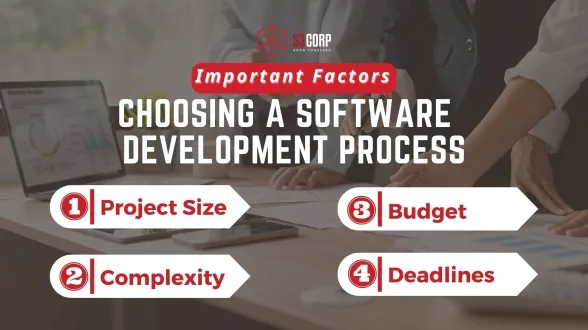
Project size influences which approach makes sense. Small projects with one or two developers can skip elaborate processes that larger teams need. A simple mobile app might not require the full ceremony of Waterfall documentation. A complex enterprise system probably does. Teams building products with millions of lines of code need more structure than those creating simple websites.
Budget constraints affect methodology choices. Agile requires ongoing stakeholder involvement, which means business leaders must dedicate time throughout development. Waterfall front-loads planning costs but reduces mid-project changes. DevOps requires investment in automation tools and infrastructure. Teams working with limited budgets choose approaches that match available resources rather than ideal scenarios.
Timeline pressures change the calculation. Projects needing results in weeks favor Agile or iterative approaches that deliver working software quickly. Projects with distant deadlines and stable requirements can use Waterfall to plan everything thoroughly upfront. Rush jobs sometimes skip proper processes entirely, though this almost always causes problems later.
Team skills determine which methodologies work in practice. Agile requires disciplined developers who can estimate accurately and communicate constantly. Waterfall needs skilled planners who can anticipate problems before they happen. DevOps demands automation expertise and infrastructure knowledge. Teams should choose approaches that match their actual capabilities rather than aspirational ones.
Requirement stability matters enormously. Building software with fixed specifications favors Waterfall or iterative approaches. Exploring uncertain markets or innovative products favors Agile methods that embrace change. Projects where requirements will definitely evolve need flexible processes. Projects with rigid compliance requirements need documentation-heavy approaches. Honest assessment of requirement stability at the start prevents mismatched methodologies.
S3Corp helps clients evaluate these factors objectively. We have seen teams choose Agile because it sounds modern, then struggle because their organization cannot support frequent feedback cycles. We have seen teams choose Waterfall because it feels safe, then watch helplessly as market conditions invalidate their careful plans. The right choice depends on specific circumstances rather than universal preferences.
Best Practices for a Smooth Development Process
Clear goals prevent wasted effort. Every feature should connect to specific business objectives. Teams should be able to explain why they are building something and how success will be measured. S3Corp starts projects by defining success criteria that everyone agrees on. When debates arise later about priorities or trade-offs, these criteria provide objective guidance.
Strong communication keeps everyone aligned. Daily standups where team members share progress take fifteen minutes but prevent days of misdirected work. Regular demos show stakeholders what teams have built, catching misunderstandings before they become expensive. Written documentation supplements verbal communication, creating references teams can consult when questions arise.
Early testing finds problems when fixing them is easiest. Waiting until the end of development to start testing guarantees discovering major issues too late to address properly. Teams that write automated tests alongside feature code catch regressions immediately. Manual testing throughout development verifies that user experience matches intentions before bad patterns become ingrained.
Iterative improvement recognizes that first attempts rarely produce optimal results. Teams should expect to refine features based on real usage. Building feedback mechanisms into software helps teams understand what works and what frustrates users. A/B testing different approaches provides data rather than opinions for making decisions. The software project workflow should include time for acting on lessons learned.
Good documentation serves future teams and current ones. Code comments explain why decisions were made, not just what the code does. Architecture documents show how systems fit together. Runbooks explain how to deploy and maintain software in production. User guides help people accomplish tasks without contacting support. Documentation investments pay dividends for years.
S3Corp emphasizes these practices because we maintain long-term relationships with clients. Software we build today will need updates next year and the year after. Practices that seem like overhead during initial development become essential for sustainable success. Teams that skip documentation, testing, or communication initially spend far more time later untangling messes they created.
Example: How a Real Project Follows the Process
Consider how an e-commerce company might build a new mobile shopping app. During planning, the team interviews customers about their current experience, identifying frustrations with the desktop website on phones. They define requirements: users should be able to browse products, read reviews, add items to cart, and complete purchases entirely on mobile devices. The team estimates three months for initial development with a team of five developers, two designers, and one quality assurance specialist.
In the design phase, user experience designers create mockups showing exactly how product browsing will work. They test these mockups with real users before writing any code, discovering that users prefer swiping between products rather than tapping through pages. Technical architects plan the backend systems that will serve product data, process payments, and track orders. They design an API that both mobile and web applications can use, preparing for future platform expansion.
During implementation, developers build the app feature by feature. They start with basic product browsing since nothing else works without it. They add shopping cart functionality next, then payment processing, then order tracking. Each feature gets reviewed and tested before developers move to the next. Integration happens continuously as developers ensure new features work with existing ones.
Testing runs parallel to implementation. As developers complete features, testers verify they work correctly. They test on different phone models and operating systems. They verify that payment processing handles edge cases like expired credit cards and network interruptions. They load test the backend to ensure it can handle Black Friday traffic levels. Security testers verify that customer payment information gets protected properly.
For deployment, the team releases to a small group of beta users first. These early adopters discover a confusing checkout flow that tested fine in the lab but confused real users. The team adjusts based on this feedback before opening the app to all customers. They monitor system performance closely during the first week, watching for unexpected problems.
Maintenance begins immediately. The team tracks crash reports and fixes bugs. They monitor app store reviews, addressing common complaints in updates. When a payment processor updates their API, the team adjusts the integration to maintain compatibility. Based on user requests, they add a wishlist feature three months after launch.
Conclusion
Understanding the software development process transforms how teams work and what they accomplish. The structure it provides prevents common mistakes that derail projects. Clear phases create shared expectations between technical teams and business stakeholders. Systematic testing catches problems before users encounter them. Proper planning sets realistic expectations about what software will accomplish and when it will be ready.
Companies that treat software development as a disciplined process consistently outperform those that approach it casually. They deliver projects on time and within budget more often. They build software that users actually want. They maintain products successfully for years rather than replacing them constantly. The return on investing in proper process shows up in every metric that matters.
Whether you are building your first application or your hundredth, understanding how software is developed provides the foundation for success. The software development basics outlined here apply across industries, technologies, and team sizes. Master these fundamentals and everything else becomes easier.
Frequently Asked Questions
What are the main phases?
The main phases are planning, design, implementation, testing, deployment, and maintenance. Planning defines what to build and why. Design determines how it will work. Implementation writes the actual code. Testing verifies everything functions correctly. Deployment releases software to users. Maintenance keeps it running and improves it over time. Most projects cycle through these phases multiple times.
Why do teams use the SDLC?
Teams use the SDLC because it reduces risk and improves outcomes. Structured processes catch problems early when they cost less to fix. They ensure teams build what users actually need rather than what developers think is cool. They help estimate costs and timelines accurately. They create accountability and transparency. Research consistently shows that projects following defined processes succeed more often than those that do not.
What model is best for my project?
The best model depends on your specific situation. Projects with stable requirements and regulatory constraints often favor Waterfall. Projects exploring new markets or expecting frequent changes prefer Agile. Projects needing frequent deployments benefit from DevOps practices. Consider your team's experience, project complexity, timeline pressure, and requirement stability when choosing. Many successful projects blend elements from multiple models rather than following one rigidly.







_1746790956049.webp&w=384&q=75)
_1746790970871.webp&w=384&q=75)